Introduction
Navigating the landscape of wound care, especially within the framework of the National Special Needs Insurance Plan (NDIS), can be a challenging task for many doctor. The need for reliable training and resources can not be overstated, as it directly impacts the top quality of treatment received by individuals with complex and persistent injuries. This article intends to offer a comprehensive guide on NDIS wound care, highlighting the vital wound care specialist training programs offered for suppliers. On top of that, we will certainly discover various wound care training courses customized particularly for nurses, as well as functional sources that can help improve their skills and knowledge.
Understanding NDIS Wound Care
What is NDIS Wound Care?
NDIS wound care refers to specialized solutions created to handle and treat injuries in people with impairments under the National Disability Insurance System. These solutions are vital for promoting healing, protecting against infections, and enhancing total lifestyle.
The Importance of Wound Treatment Management
Inadequate wound monitoring can result in serious problems, including infections, extended health center stays, or perhaps amputation. Efficient wound care management is essential in guaranteeing that individuals receive timely interventions.

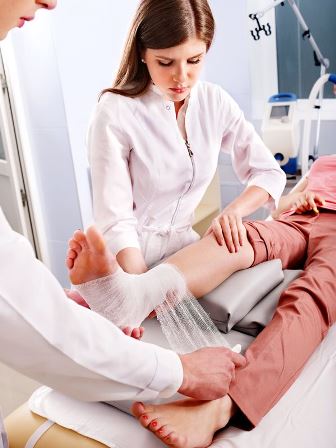
Wound Care Specialist Training
What is Injury Treatment Professional Training?
Wound treatment expert training gives health care professionals with innovative skills in examining and taking care of complicated injuries. This kind of training gears up companies with the understanding required to deal with challenging instances effectively.
Key Elements of Wound Treatment Professional Training
Assessment Techniques: Comprehending how to do precise assessments. Wound Recovery Principles: Finding out about the phases of injury healing. Intervention Strategies: Discovering various therapy options. Patient Education: Mentor individuals concerning self-care practices.Wound Treatment Educating for Nurses
Why is Specialized Training Necessary for Nurses?
Nurses play an essential function in wound management; thus, specialized training is necessary. It improves their ability to provide high-quality treatment while guaranteeing conformity with NDIS standards.
Popular Wound Care Training Courses for Nurses
Basic Wound Care Training: Suitable for brand-new nurses getting in the field. Advanced Injury Administration Courses: For seasoned registered nurses aiming to expand their expertise.Benefits of Enrolling in Wound Care Training for Nurses
- Improved individual outcomes Increased self-confidence in handling complicated cases Enhanced expert reputation
Exploring Various Wound Care Training Courses
Types of Wound Care Training Courses Available
There are various courses available dealing with various levels of expertise:
Basic Wound Care Training Intermediate Courses Advanced Specialty ProgramsHow to Select the Right Course?
Consider your current skill degree, locations of passion, and career goals when choosing a course.
Wound Treatment Nurse Educating Programs
What Does a Typical Wound Care Nurse Training Program Entail?
Most programs cover vital topics such as anatomy pertinent to wound healing, types of dressings, and infection control measures.
Certifications Used via Nursing Wound Treatment Training
Many organizations provide accreditations upon completion which can enhance a nurse's qualifications significantly.
Complex Injury Care Solutions
Understanding Facility Wounds in NDIS Clients
Complex wounds require customized understanding as a result of their complex nature-- commonly involving underlying problems that complicate recovery processes.
Strategies for Managing Facility Injuries Effectively
- Regular assessment Tailored treatment plans Interdisciplinary collaboration
Chronic Wound Care Management Strategies
What Makes up Chronic Wounds?
Chronic injuries do not heal properly within anticipated period and call for ongoing monitoring strategies.
Effective Chronic Wound Administration Techniques
Comprehensive evaluation methods Evidence-based treatment protocols Patient education initiativesResources Offered for Companies in NDIS Wound Care
Online Platforms Supplying Valuable Information
Several online platforms supply sources related to wound care management:

Books and Literary works on NDIS Wound Management
Reading current literary works can provide essential understandings right into best techniques in injury care.
Common Obstacles Encountered by Suppliers in NDIS Wound Care
1. Lack of Knowledge
Many service providers may do not have sufficient understanding relating to chronic wound monitoring techniques.
2. Source Constraints
Limited accessibility to innovative equipment can hamper effective injury treatment protocols.
FAQs About NDIS Wound Care
Q1: What credentials do I require for injury care expert training?
A: Generally, a background in nursing or allied wellness scientific researches is required along with basic injury care experience.
Q2: Exist any type of on-line programs readily available for standard wound care training?
A: Yes! Numerous institutions use online programs that provide especially to standard injury care needs.
Q3: For how long does it take to finish innovative injury treatment registered nurse training?
A: Conclusion time varies however most programs range from a number of weeks to several months relying on training course structure.
Q4: Can I specialize in persistent wound administration after completing standard training?
A: Definitely! Numerous sophisticated programs are readily available especially concentrating on chronic wounds as soon as you've obtained fundamental knowledge.
Q5: Is continual education required in wound care?
A: Yes! Continual education and learning guarantees that you remain updated on the latest growths and finest practices in the field.
Q6: Where can I find useful sources related to NDIS wound care?
A: Practical sources are frequently found with medical care organizations, on the internet platforms committed to nursing education, or libraries concentrated on health and wellness sciences.
Conclusion
Navigating NDIS wound care needs an understanding of specialized training alternatives offered for suppliers that desire to excel in this area. Through thorough education programs like wound care professional training and targeted training courses made particularly for registered nurses, health care experts can boost their capacities complex wound care considerably when handling facility and chronic injuries within the NDIS framework.
By investing time right into acquiring knowledge concerning correct wound treatment management techniques and making use of available resources effectively, providers can make certain that they supply superior patient-centered solutions while adhering very closely to regulatory guidelines set out by NDIS standards.